
Updated November 2026. The first version of this post described a tool that had only ever talked to a simulated car. It now talks to the real one.
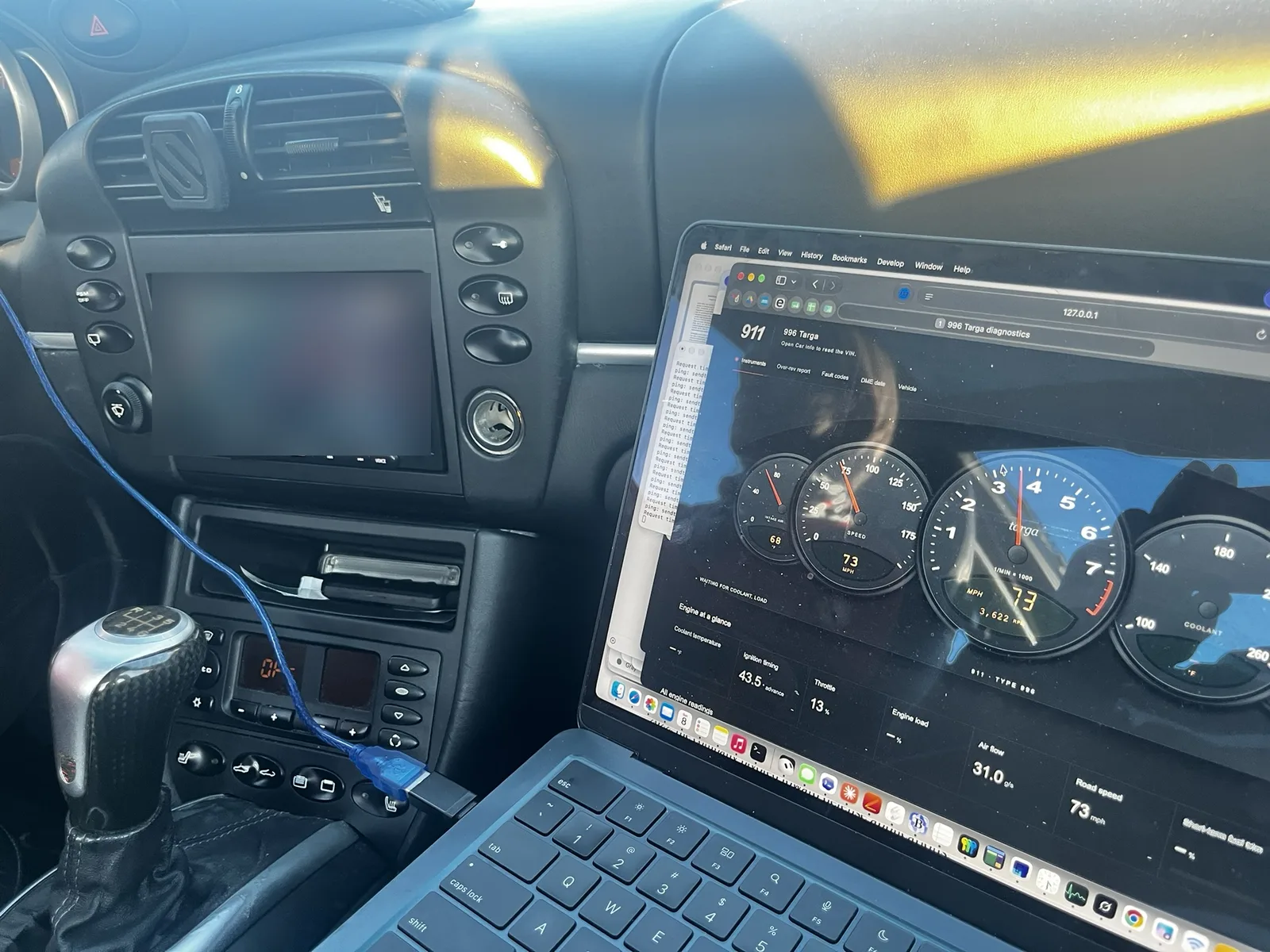
I drive a 2002 Porsche 996 Targa. Cars from that era talk to the outside world over a single wire called the K-line, and the tools that speak to it are either dealer equipment or aging Windows software with per-car licences.
So I started pdiag, an open, modern diagnostic tool for the water-cooled Porsches built roughly between 1997 and 2008: the 986 Boxster, 996, 997.1, 987.1 and the first Cayenne. It runs on a Mac, and the cable is a $20 FTDI "KKL" USB lead.
What it does now
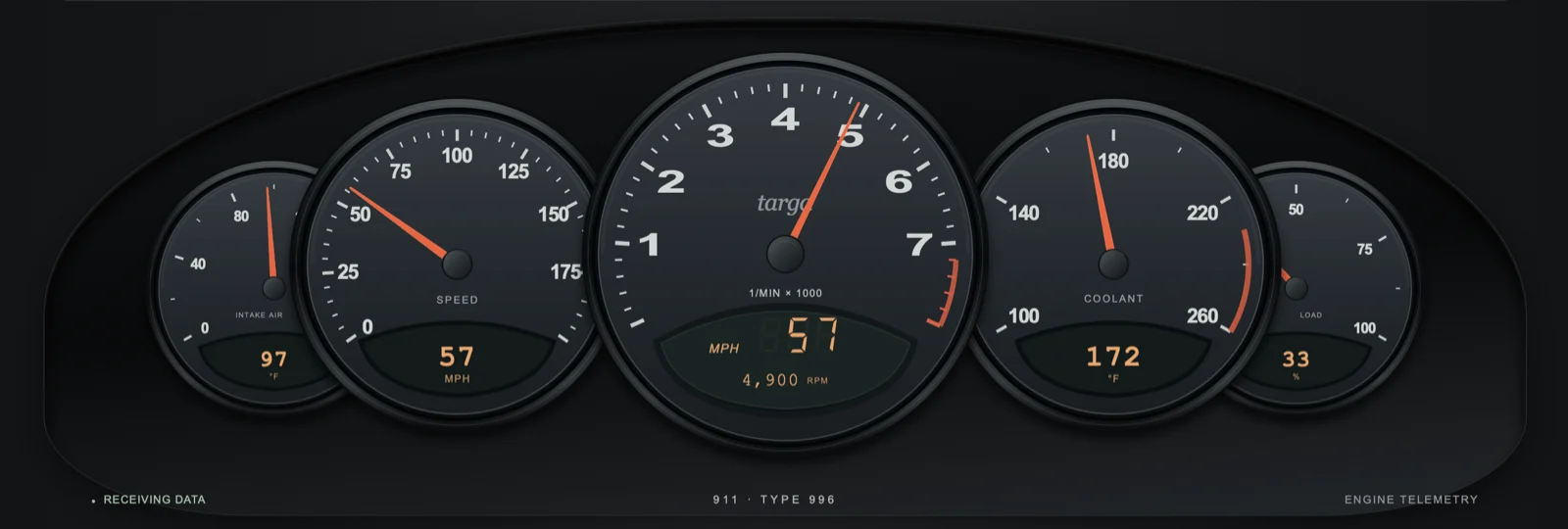
The cable arrived, and the first real conversation with the 996 happened. Today, on the Targa's Bosch ME7.8 engine computer, pdiag reads:
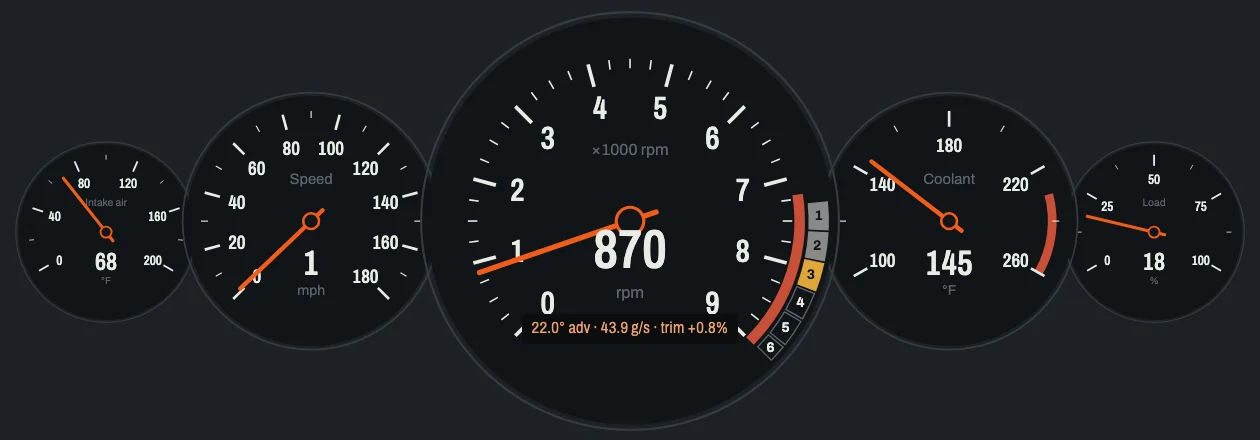
- Live engine data on a 996-style instrument cluster: 21 readings, about seven a second.
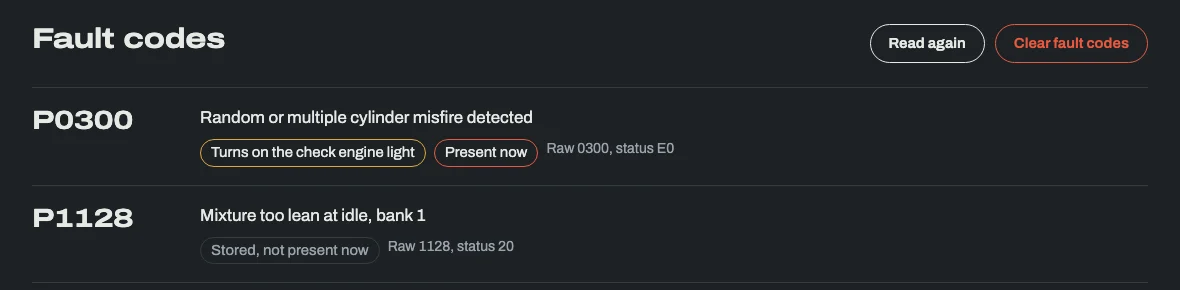
- Fault codes, both the generic OBD ones and the engine computer's own.
- The engine computer's identification: part and software numbers.
- All 14 of its Porsche-specific data blocks, raw. They're shown and logged; not all are decoded yet.
One check that it's reading the right thing: the speed it reports matched Waze exactly. The car's own speedometer reads about 3 mph high, which is normal and deliberate.
One rule changed
The first version refused to clear fault codes at all. That turned out to be the wrong line: clearing a code after a repair is the most ordinary thing an owner does. pdiag now clears codes, but only when you ask, after a confirmation, and only after it has saved every code, the readiness status and the engine computer's own code list to a log. Nothing is lost.
The rest of the rule stands. It never codes, adapts or flashes the engine computer, and never asks for security access. And it's still clean-room: everything is decoded from my own captures, never from leaked dealer software or another tool's internals.
Try it
- Demo, no car needed: apps.eloquentix.com/porsche/996, plus an alternate panel design, the one in the pictures above. Both use a simulated car.
- Code: github.com/eloquentix/porsche-996-diagnostics. GPL-3.0.
- Buying, selling, or running a shop? We're working on verified pre-purchase reports. Email info@eloquentix.com to hear when they're ready.